

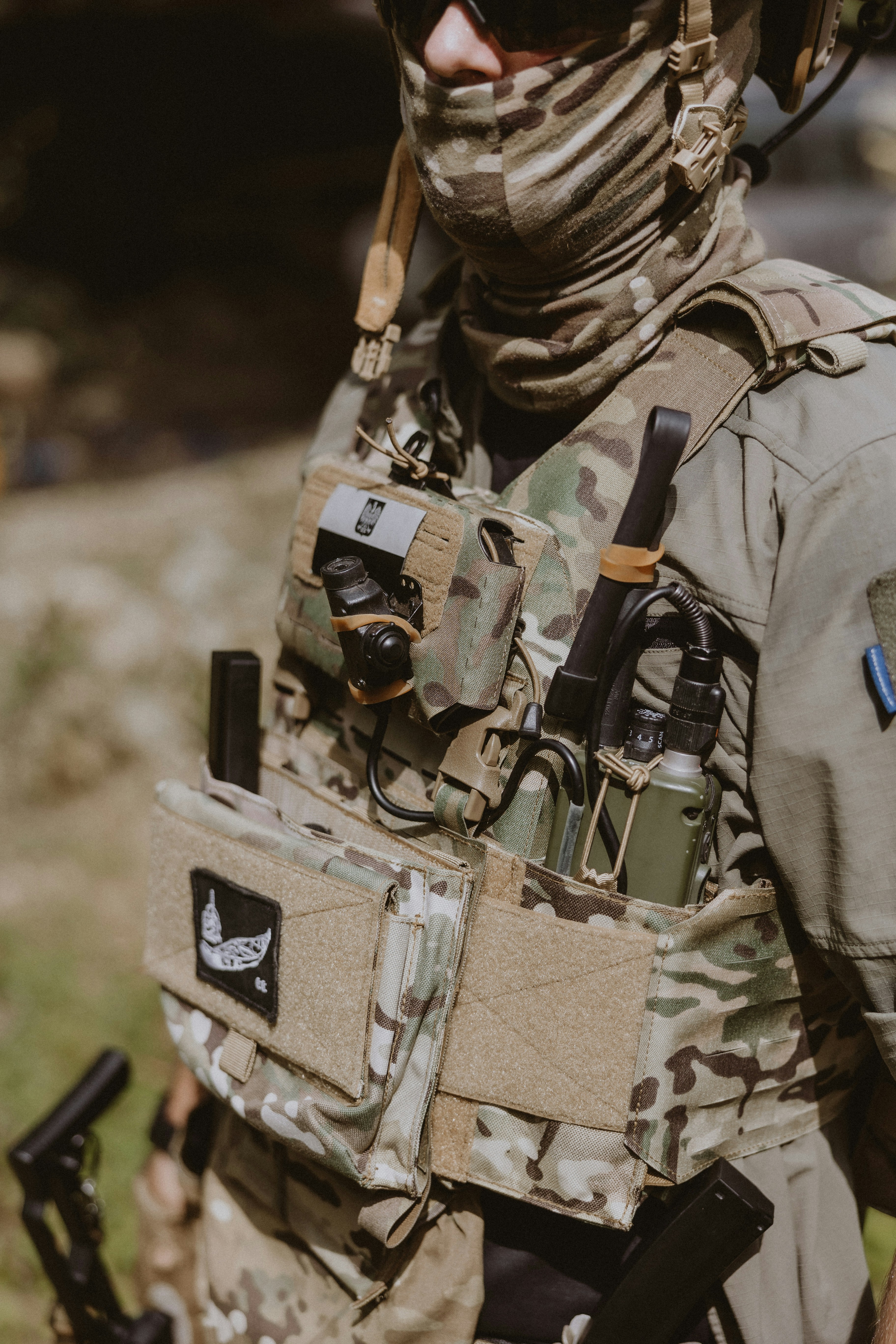
When it comes to personal protection in high-threat environments, few pieces of equipment matter more than military body armor. Whether you’re an active-duty service member, a law enforcement professional, or a serious tactical operator, understanding the benefits of modern plate carrier systems goes far beyond simply strapping on protection. The right setup can mean the difference between mobility and fatigue, between survivability and vulnerability. This guide breaks down exactly why plate carriers have become the cornerstone of modern tactical protection — and what makes them so effective.
Why Modern Tactical Body Armor Has Evolved Beyond the Basics
Early body armor was heavy, rigid, and unforgiving. Soldiers endured cumbersome designs that limited movement and generated extreme heat. Today’s military plate carriers represent a significant leap forward. Modern tactical body armor is engineered to distribute weight intelligently, accommodate mission-specific loadouts, and integrate seamlessly with the rest of a soldier’s gear.
The shift toward modular plate carrier armor has been transformative. Rather than issuing a one-size-fits-all solution, today’s military and tactical units rely on systems that can be tailored to specific threats, terrains, and mission types. A ballistic plate carriers setup used for urban close-quarters combat mobility equipment will look quite different from one configured for long-range patrol operations. That adaptability is one of the biggest advantages modern carriers offer.
Comfort and fit also play a massive role in real-world performance. A military tactical vest that fits poorly will cause fatigue, restrict breathing, and create pressure points that degrade performance over hours in the field. Premium combat plate carriers are designed with ergonomic cummerbunds, adjustable shoulder straps, and breathable padding systems that allow soldiers to wear protection for extended periods without their performance suffering.
The Protection Advantage: Understanding What Plate Carriers Actually Do
At their core, plate carriers exist to hold ballistic plates — typically rated to stop rifle-caliber threats. But the protection advantage of a well-configured body armor plate carrier goes much deeper than the plates themselves.
A thoughtfully arranged plate carrier loadout positions hard armor over the vital organs while leaving the arms and legs free for full mobility. This balance is critical. Overloading a carrier with too many accessories adds unnecessary weight and slows reaction time. Under-equipping it leaves gaps in both protection and operational capability. Getting that balance right is what separates a functional plate carrier setup from an optimized one.
Lateral and side protection is another area where modern army body armor excels. Extended cummerbunds with side plate pouches allow operators to add soft armor or hard plates covering the flanks — an often overlooked but vital area. Many tactical vest plate carrier systems also feature integrated plate bags at the front and rear, allowing quick plate removal or replacement in the field.
For anyone serious about selecting the right system, this resource on choosing the right military plate carrier for your mission walks through the key features and fit considerations that make a carrier truly mission-capable.
MOLLE Integration and the Tactical Loadout Advantage
One of the most significant advantages of today’s army plate carriers is MOLLE compatibility. The Modular Lightweight Load-carrying Equipment system allows operators to attach pouches, holsters, medical kits, and communication gear directly to the carrier using a webbing system. This eliminates the need for separate load-bearing vests and consolidates everything the operator needs into a single, organized platform.
A well-executed tactical plate carriers setup with MOLLE webbing gives operators instant access to magazines, trauma supplies, and communication devices without digging through a bag or backpack. In high-stress situations, that immediate access to critical gear can make a significant difference in outcomes. Military plate carriers with full front and rear MOLLE panels have become the standard for this reason, and the best plate carrier for military use will almost always include robust MOLLE integration across multiple surfaces.
The ability to customize a plate carrier loadout also means operators can strip the system down for lighter missions or load it up for sustained operations. That flexibility is something earlier rigid vest designs simply couldn’t offer. Tactical body armor that adapts to the mission rather than forcing the mission to adapt to the gear is always going to perform better in real-world conditions.
Mobility, Durability, and Long-Term Performance
Critics of plate carriers sometimes point to weight as a disadvantage, but this misses the larger picture. A properly fitted and balanced ballistic plate carrier actually improves functional movement compared to older, full-coverage soft armor vests. By concentrating hard protection over the vital zones and keeping the limbs unencumbered, operators retain the agility they need to move, shoot, and communicate effectively.
Material quality plays directly into long-term durability. High-end combat plate carriers use 500D or 1000D Cordura nylon, heavy-duty stitching, and corrosion-resistant hardware that can withstand years of hard use, extreme temperatures, and exposure to moisture. Cheaper alternatives may look similar on the surface but fail under sustained field conditions. For army body armor that’s going to be relied upon in life-or-death situations, material integrity is non-negotiable.
Thermal management is another area where premium tactical carriers differentiate themselves. Many modern designs incorporate mesh backing, ventilation channels, and moisture-wicking padding to reduce heat buildup — a real concern in hot climates where wearing full armor for hours at a stretch is standard. Carriers that manage heat effectively keep operators more alert and physically capable throughout long missions.
Conclusion: Military Body Armor as a Force Multiplier
The case for investing in quality military body armor is clear. Modern plate carrier systems offer a combination of reliable ballistic protection, customizable loadout capability, ergonomic fit, and durable construction that older vest designs simply cannot match. When a military tactical vest is properly selected, fitted, and configured, it stops being a burden and starts being a genuine advantage.
The best operators understand that their plate carrier setup is as much a performance tool as a protective one. Every pouch placement, every plate selection, and every adjustment contributes to how effectively they can operate under pressure. Treating tactical body armor as a system — rather than a single piece of equipment — is what allows soldiers and operators to extract every possible advantage from their gear.
Whether you’re building your first plate carrier loadout or upgrading an existing system, prioritize fit, modularity, and material quality. Those three factors will consistently deliver the best return in both protection and operational performance.