

Walk into any modern closet and you will find an array of hangers, hooks, and storage solutions so refined that it is easy to forget how recently they were invented. Coat storage, as a concept, stretches back thousands of years, yet the elegant, functional systems we rely on today are the product of only a few centuries of innovation. Understanding that history — and where the industry is headed — can help you make smarter decisions about how you store and care for your clothing right now.
The Ancient Roots of Hanging Clothes
Humans have been hanging garments since long before the modern hallway closet organization existed. Ancient Egyptians draped fine linens over wooden rods. Medieval Europeans used iron wall pegs and carved wooden hooks to keep their cloaks and robes off the damp stone floor. These early methods were purely practical. There was no real concern for garment care, no thought given to shoulder shaping, and certainly no consideration of closet organization as an aesthetic or systematic pursuit.
The Renaissance and the growth of trade brought wealthier households more clothing than they could easily fold and store. Wardrobes — originally freestanding wooden cabinets — became essential furniture pieces for the upper class. The word “wardrobe” itself comes from Old French, meaning a room where garments were guarded. Inside these cabinets, simple wooden pegs and horizontal rods held coats, cloaks, and tunics in place. This was the beginning of a relationship between furniture design and garment storage that would only deepen over time.
The Industrial Age Changes Everything
The 19th century transformed coat storage permanently. Two developments drove this shift. First, the Industrial Revolution made clothing more affordable and abundant, meaning ordinary households suddenly had more garments to manage. Second, the expansion of rail travel and hotel culture created demand for portable, standardized solutions.
The wire hanger, perhaps the most recognizable clothing hanger in history, emerged from this era. Albert J. Parkhouse is often credited with bending wire into the first recognizable hanger shape around 1903, though the design was quickly refined and patented by others. Within decades, dry cleaners and department stores had standardized the wire frame, and it became ubiquitous. It was inexpensive, lightweight, and easy to mass-produce — but it was not kind to clothing. Heavy coats draped over thin wire quickly lost their shape, and the garment care consequences were significant.
Wooden hangers offered a sturdier alternative. Shaped with contoured shoulders and wider bodies, they distributed a coat’s weight more evenly and helped preserve the structure of heavier garments. By the mid-20th century, discerning consumers understood the difference between hanger types and began selecting them based on what they were hanging. This awareness marked the beginning of modern wardrobe organization tips as practical household knowledge rather than luxury advice.
The Late 20th Century: Closet Organization Goes Mainstream
The post-war consumer boom in the 1950s and 1960s sent closet organization into the mainstream. Home design magazines began publishing layouts for organized closets. Specialty retailers emerged to sell velvet hangers, cedar hangers, rotating carousels, and over-door hooks. By the 1980s, closet organization had become an industry unto itself, with dedicated consultants and custom-built storage systems entering the market.
Space-saving hangers became a popular solution for urban dwellers managing small apartments. Cascading hooks and slim velvet designs allowed people to hang multiple garments in the footprint of a single rod slot. Entryway organization, once an afterthought, became a design priority as open-plan living made entryways more visible and multifunctional.
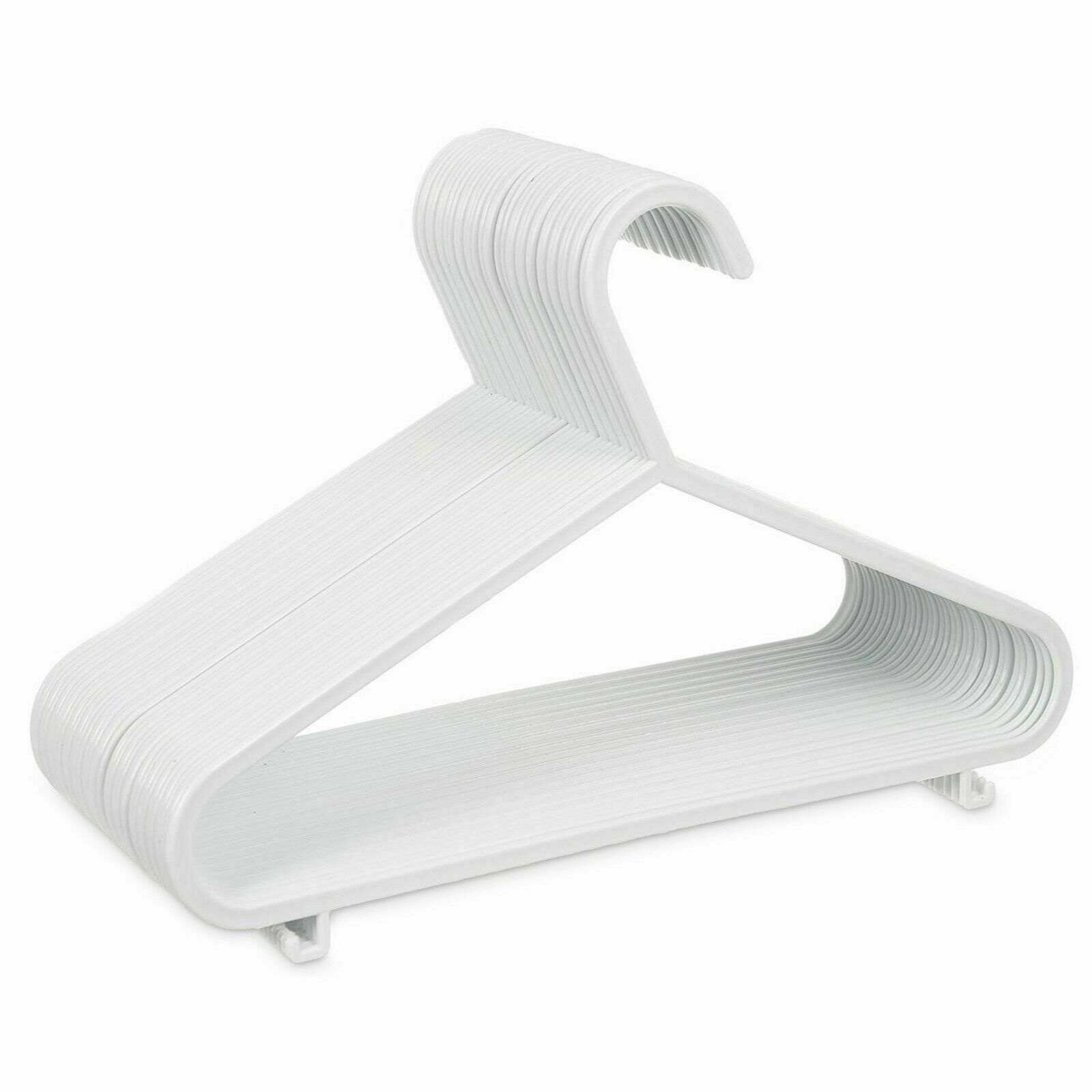
Heavy-duty hangers also advanced significantly during this period. Designed to handle the weight of structured coats, leather jackets, and layered outerwear, these hangers used thicker wood, reinforced metal, or high-density plastic to support garments without warping or breaking. For anyone wondering about the range of options available today, a complete guide to coat hanger types, sizes, and buying considerations covers the full spectrum of materials, dimensions, and use cases in useful detail.
What the Digital Era Has Added to Coat Storage
The internet age brought two major changes to how people approach garment storage. First, it democratized information. Anyone with a smartphone can now research the ideal hanger width for a structured blazer, compare closet organization systems, or watch tutorials on entryway organization ideas. The gap between expert knowledge and everyday practice narrowed considerably.
Second, e-commerce made premium storage products accessible to everyone. Consumers no longer needed to visit specialty stores to find wide-shouldered wooden hangers, felted non-slip options, or commercial-grade heavy-duty hangers. Online reviews added a layer of crowdsourced expertise that continues to shape purchasing behavior. The modern buyer is more informed about garment care and clothing hangers than any previous generation.
Smart home technology has begun to enter the closet as well. Sensor-equipped garment systems, humidity-controlled storage environments, and app-connected wardrobe organization tools are still niche products, but they signal a direction. The idea that your coat storage solution might one day alert you to improper humidity levels for leather goods or remind you to rotate seasonal items is not far-fetched.
The Future of Coat Storage
Looking ahead, several trends are converging to reshape how we think about storing and organizing outerwear. Sustainability is driving demand for hangers made from recycled materials, bamboo, and responsibly sourced wood. Consumers are pushing back against the throwaway culture of wire and flimsy plastic, investing in durable, long-lasting options that support proper garment storage over years rather than months.
Modular systems that adapt as wardrobes change are gaining ground. Rather than fixed, built-in closets, designers are creating flexible frameworks that can be reconfigured as a household’s clothing needs evolve. Entryway organization in particular is seeing renewed attention as hybrid work schedules keep more people moving in and out of their homes at varied hours, requiring smarter coat storage near the door.
Material science is also contributing. New synthetic materials are replicating the feel and function of natural fibers in hanger coatings, offering non-slip grip without the shedding common in low-quality velvet options. Structural polymers are being used to create space-saving hangers that are both lightweight and capable of supporting heavy winter coats without flexing.
Coat Storage as a Long-Term Investment
From ancient wooden pegs to smart wardrobe systems, the history of coat storage is ultimately a story about respect for clothing. The more we understand about garment care, the more we recognize that how we store our clothes is as important as how we clean or wear them. Proper coat storage preserves shape, extends garment life, and reduces the hidden cost of replacing damaged or distorted clothing.
Whether you are setting up a first apartment or redesigning a dedicated dressing room, the core principle has not changed since the earliest wardrobes of the Renaissance. Give your garments the space, structure, and support they need. The tools available today to achieve that goal are better than they have ever been, and the future promises even more thoughtful solutions to come.

